
The shingles vaccine is primarily used to protect against shingles, a painful condition caused by reactivation of the virus responsible for chickenpox. However, emerging research suggests that its benefits may extend beyond preventing shingles.
A recent study published in Nature Medicine found that adults who received the recombinant shingles vaccine, known as Shingrix, had a 9% lower cardiovascular disease burden over seven years compared with people who received the older live shingles vaccine, Zostavax.
The findings also showed lower rates or burdens of several cardiovascular conditions, including coronary heart disease, heart failure, ischemic stroke among men, and atrial fibrillation.
While the results are encouraging, researchers emphasize that the study was observational. This means the findings show an association rather than proving that Shingrix directly prevents cardiovascular disease. Additional research is needed to understand the potential connection.
What Did the Study Find?
Researchers examined cardiovascular outcomes among 72,920 adults aged 60 and older. The study took advantage of the transition in the United States from Zostavax to Shingrix.
One group received the live shingles vaccine during the months before the transition in 2017, while another group received the recombinant vaccine during the corresponding period in 2018.
Over approximately seven years of follow-up, people who received Shingrix had a 9% lower cardiovascular disease burden compared with those who received Zostavax.
Researchers also observed several specific differences:
- A 10% lower burden of coronary heart disease
- A 12% lower burden of heart failure
- A 12% lower burden of ischemic stroke among men
- A 7% lower burden of atrial fibrillation
The difference in ischemic stroke was not statistically significant among women.
These findings add to growing interest in the relationship between infections, inflammation and cardiovascular health.
Why Could Shingles Be Connected to Heart Health?
Shingles occurs when the chickenpox virus, which can remain dormant in the body after an initial infection, becomes active again. The reactivation can trigger an inflammatory response.
Inflammation is also involved in the development and progression of cardiovascular disease. Chronic inflammation can contribute to changes in blood vessels and the processes associated with conditions such as atherosclerosis.
One possible explanation for the study’s findings is that preventing shingles could reduce inflammation associated with the infection. Researchers also discussed changes involving inflammatory markers such as interleukin-6 (IL-6).
However, this potential explanation has not been definitively established.
The study does not demonstrate that Shingrix is a cardiovascular treatment or that receiving the vaccine will prevent someone from developing heart disease. The cardiovascular findings should instead be considered an area for further research.
Shingrix vs. Zostavax: What’s the Difference?
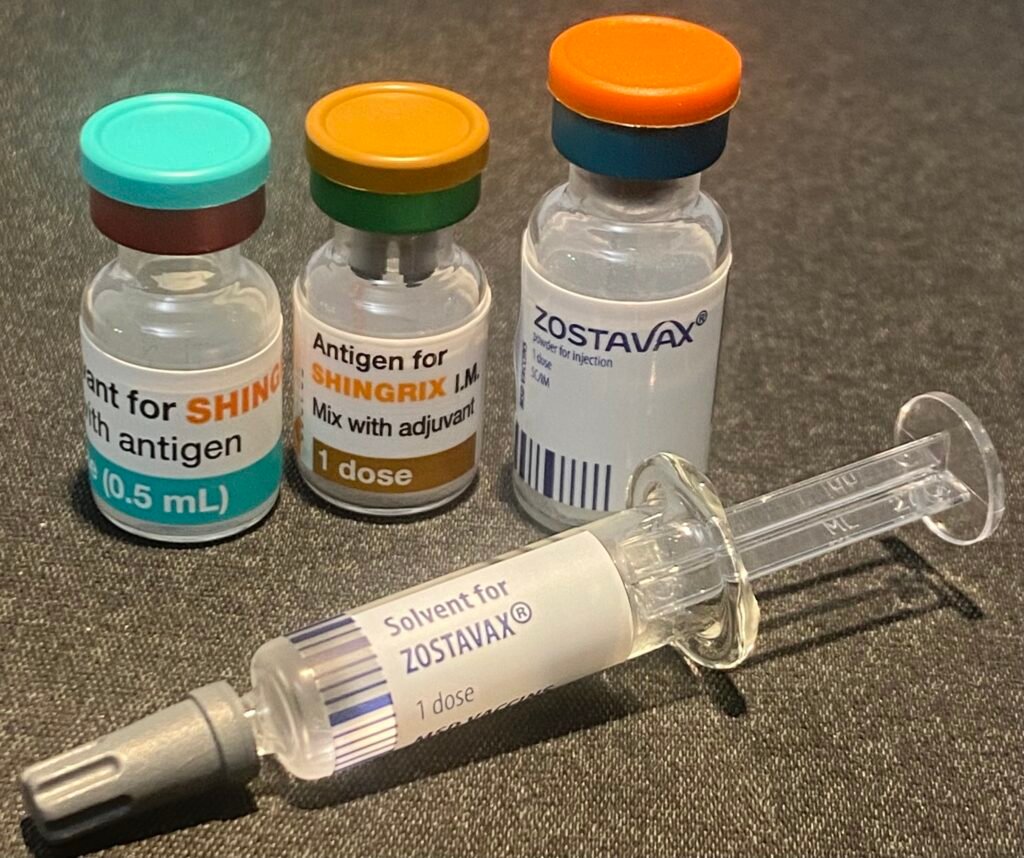
Shingrix and Zostavax are different types of shingles vaccines.
Zostavax was a live attenuated vaccine, meaning it used a weakened form of the virus to stimulate an immune response. Shingrix is a recombinant vaccine that uses a specific viral protein to help the immune system recognize and respond to the virus.
Shingrix has demonstrated more than 90% protection against shingles and generally provides stronger and more persistent protection than Zostavax.
Another difference is the dosing schedule. Zostavax was administered as a single dose, while Shingrix is given as a two-dose series, typically with the doses separated by two to six months.
Zostavax has also been discontinued in the United States, while Shingrix remains the primary shingles vaccine used there.
Who Should Get the Shingles Vaccine?
Shingles can affect anyone who has previously had chickenpox because the virus can remain inactive in the body for years. The risk increases with age, particularly after age 50.
According to the Centers for Disease Control and Prevention (CDC), adults aged 50 and older should receive two doses of Shingrix, even if they have had shingles previously or received the older shingles vaccine.
The CDC also recommends Shingrix for adults aged 19 and older who are or will become immunocompromised because of a disease or medical treatment.
Because vaccination recommendations can depend on age, immune status and vaccination history, people who are unsure whether they need the vaccine should speak with a healthcare professional.
What This Research Means for Older Adults
The study provides another reason to view vaccination as an important part of preventive healthcare. Protecting against shingles can help reduce the risk of the infection and its complications, while researchers continue to investigate whether vaccination may have additional health benefits.
The possible relationship between Shingrix and cardiovascular health is particularly interesting because cardiovascular disease remains a major health concern among older adults.
Still, the research should not be interpreted as evidence that the shingles vaccine replaces established heart-health measures. Managing blood pressure, cholesterol and blood sugar, staying physically active, maintaining a balanced diet, avoiding tobacco and following medical advice remain important ways to support cardiovascular health.
Conclusion
New research has found an association between the recombinant shingles vaccine, Shingrix, and a lower cardiovascular disease burden compared with the older Zostavax vaccine. The study reported lower burdens of coronary heart disease, heart failure and atrial fibrillation, along with a lower burden of ischemic stroke among men.
Inflammation may help explain the connection, but researchers have not established a direct cause-and-effect relationship. More studies are needed to determine whether shingles vaccination itself can influence cardiovascular risk.
For adults who meet current vaccination recommendations, discussing Shingrix with a healthcare professional can help determine whether vaccination is appropriate based on their individual circumstances.
FAQs
A recent observational study found that people who received Shingrix had a lower cardiovascular disease burden than those who received Zostavax. However, the study does not prove that the vaccine directly prevents heart disease.
Shingrix provides more than 90% protection against shingles and is considered highly effective at preventing the condition and its complications.
The CDC recommends Shingrix for adults aged 50 and older and for adults aged 19 and older who are or will be immunocompromised because of a disease or treatment. A healthcare professional can help determine whether vaccination is appropriate for an individual.