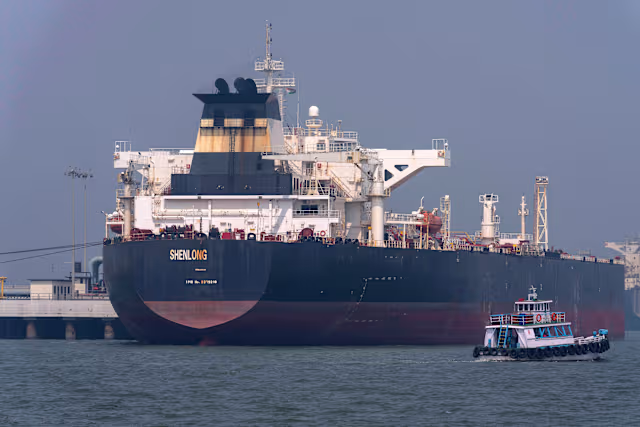
Renewed military tensions between the United States and Iran are drawing international attention to the Strait of Hormuz, one of the world’s most strategically important energy routes. The latest renewed U.S.-Iran confrontation has raised concerns not only about regional security but also about oil supplies, fuel prices, shipping activity, and inflation.
The waterway has become a central point of tension as Washington and Tehran pursue competing military and economic strategies. Any prolonged disruption could have consequences far beyond the Middle East.
Why the Strait of Hormuz Matters
The Strait of Hormuz connects the Persian Gulf with the Gulf of Oman and the Arabian Sea. It is a critical route for international energy transportation, making developments in the area important to governments, businesses, and consumers around the world.
Oil and other energy products transported through the waterway supply major markets in Asia and elsewhere. As a result, concerns about military activity, blockades, or attacks on commercial vessels can quickly influence energy markets.
Even when physical supplies are not immediately interrupted, uncertainty can cause traders and companies to prepare for potential shortages, contributing to price volatility.
Military Activity Raises Shipping Concerns
The latest U.S.-Iran confrontation has centered partly on activities around the Strait of Hormuz.
The United States has said its recent military action against Iranian rocket launchers on Larak Island was intended to prevent Iranian forces from deploying rockets and sea mines in the strategic waterway.
Iran, meanwhile, has maintained that it has the ability to challenge activity in the strait and has disputed American claims concerning control of the shipping route.
The competing positions create additional uncertainty for commercial operators whose vessels pass through the area.
Oil Markets Remain Sensitive to Developments
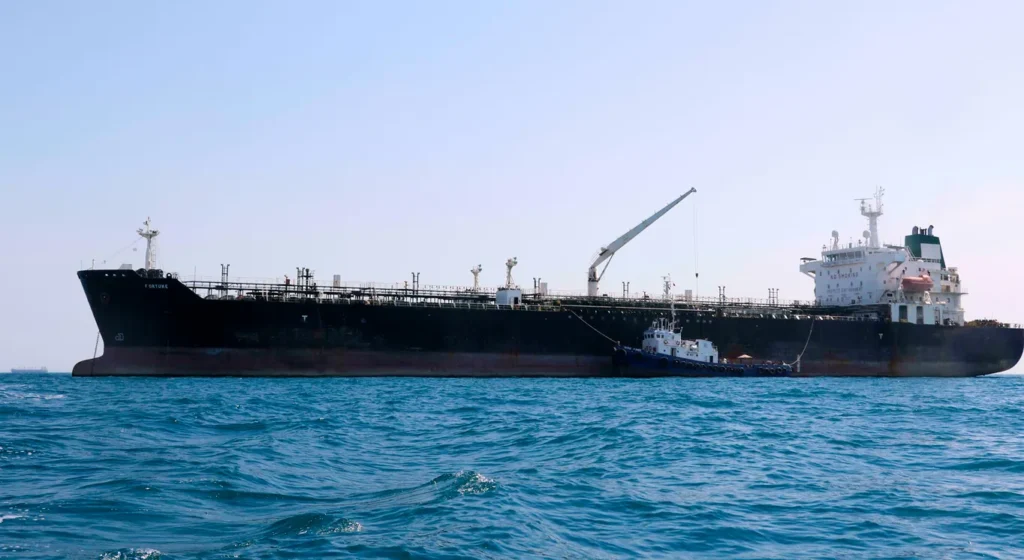
Energy markets are particularly sensitive to events surrounding the Strait of Hormuz because of the waterway’s role in international oil transportation.
Any sustained reduction in shipments could place upward pressure on crude prices. Higher oil prices can eventually affect transportation, manufacturing, electricity generation, and other sectors that depend on energy.
Fuel prices can also rise for consumers, increasing household expenses and creating additional challenges for businesses that rely heavily on transportation.
Higher Energy Costs Can Affect Inflation
A prolonged period of elevated energy prices could have economic effects beyond the oil industry.
When fuel becomes more expensive, transportation companies may face higher operating costs. Those expenses can eventually be reflected in the prices of goods and services.
Higher energy costs can therefore contribute to inflationary pressure, particularly if disruptions continue for an extended period.
The potential economic impact is one reason governments and financial markets are closely monitoring developments around the waterway.
The U.S. Is Combining Military and Economic Pressure
Washington’s approach toward Tehran extends beyond military operations. The United States has also been increasing economic pressure through sanctions and efforts to restrict Iran’s access to international financial channels.
U.S. officials have discussed additional measures aimed at countries and companies that continue doing business with Iran.
The combination of military pressure and financial restrictions is intended to weaken Tehran’s ability to finance activities that Washington considers a threat.
However, economic pressure can also create uncertainty for companies operating in countries that maintain commercial relationships with Iran.
Iran Signals That It Will Resist Pressure
Iranian officials have repeatedly indicated that Tehran does not intend to simply accept increased pressure.
President Masoud Pezeshkian has said Iran does not seek war while also emphasizing that the country will respond to aggression. Iranian officials have also challenged U.S. claims regarding the Strait of Hormuz and the movement of oil through the waterway.
The competing statements indicate that neither side appears ready to abandon its broader position, leaving the possibility of further diplomatic and military confrontation.
Regional Countries Face Difficult Choices
Countries across the Middle East are being placed in a complicated position as the confrontation develops.
Some nations have close military and economic relationships with the United States, while also maintaining geographic, political, or commercial connections with Iran. Hosting American military facilities can make these countries potential targets during periods of heightened tension.
At the same time, regional governments have strong incentives to keep trade routes open and prevent a wider conflict from disrupting their economies.
Global Businesses Are Watching Closely
The consequences of instability around the Strait of Hormuz are not limited to governments and energy companies.
Manufacturers, shipping firms, airlines, logistics providers, retailers, and other businesses can all be affected by higher energy costs or disruptions to international transportation.
Companies may respond by reviewing supply chains, adjusting shipping routes, increasing inventories, or preparing for higher operating expenses.
For businesses that depend heavily on international trade, uncertainty itself can become a significant cost.
Diplomatic Efforts Could Become Increasingly Important
Military developments are occurring alongside diplomatic activity involving Iran and other major powers.
Iran’s participation in the Shanghai Cooperation Organisation summit provides an opportunity for discussions with countries including Russia and China. Diplomatic engagement could become increasingly important if the United States and Iran seek ways to prevent the latest escalation from developing into a larger regional conflict.
Reducing tensions around the Strait of Hormuz would be particularly significant for international markets because maintaining predictable energy transportation is essential to economic stability.
What Comes Next for Energy Markets?
The future direction of oil and fuel prices will depend heavily on whether the confrontation remains limited or develops into a sustained disruption.
If shipping through the Strait of Hormuz continues with relatively limited interruptions, markets could eventually stabilize. A prolonged military confrontation, however, could increase concerns about energy supplies and push prices higher.
For businesses and consumers, the biggest uncertainty is therefore not simply the latest military exchange but whether the situation develops into a longer-lasting threat to regional energy infrastructure and transportation.
Conclusion
The renewed U.S.-Iran confrontation has placed the Strait of Hormuz back at the center of international attention. The waterway’s importance to global energy transportation means that military developments in the region can have consequences for oil prices, fuel costs, inflation, shipping, and businesses worldwide.
While the immediate situation remains uncertain, the economic stakes extend far beyond the countries directly involved. Continued diplomatic efforts and the protection of commercial shipping routes will be important in determining whether the latest tensions remain contained or create broader disruption across global energy markets.
FAQs
The Strait of Hormuz is a major international route for energy shipments. Disruptions to traffic through the waterway can affect oil supplies, energy prices, transportation costs, and wider economic activity.
If military tensions disrupt oil production or shipping through the Strait of Hormuz, concerns about supply could push crude oil prices higher. Increased energy costs can eventually affect gasoline, transportation, and other consumer prices.
Yes. Higher energy prices, shipping disruptions, supply-chain uncertainty, and increased transportation costs can affect companies worldwide, particularly businesses that rely on international trade or energy-intensive operations.