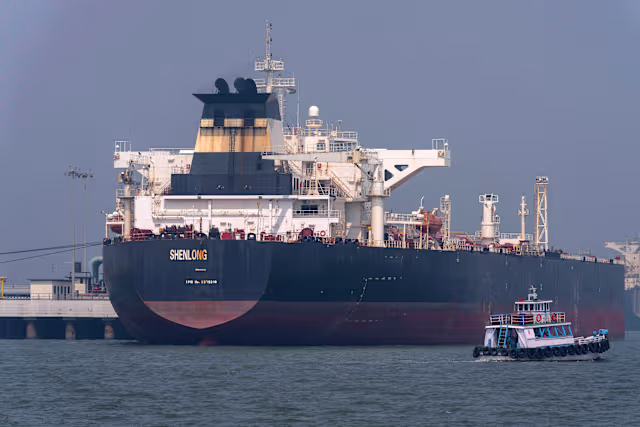
Military tensions between the United States and Iran have once again put the spotlight on the Strait of Hormuz, which is known for being one of the most strategic points in the world regarding energy. The recent U.S.-Iran military conflict has not only raised issues of regional security but also oil supplies, fuel prices, shipping and inflation.
The strait has become a focus of conflict amid the different military and economic strategies that the two nations are adopting.
Why the Strait of Hormuz Matters
The Strait of Hormuz is the passage between the Persian Gulf and the Gulf of Oman into the Arabian Sea. Being an essential transport corridor for energy supply on a global scale, events in this region become vital to many countries, firms, and even consumers worldwide.
Energy resources delivered via this transport route feed significant markets in Asia and other parts of the world. Thus, any problems with military movements, blockades, and attacks on shipping vessels might affect the energy market very soon.
Even without real shortages of energy supplies, uncertainties might lead companies to take steps in preparation for shortages in order to hedge themselves against risks of losses.
Military Activity Raises Shipping Concerns
The most recent conflict between the US and Iran has, in part, been fueled by developments near the Strait of Hormuz.
According to the US, its last attack on an Iranian facility which housed rocket launchers on Larak Island has been designed to hinder Iran from launching any attacks on ships traversing through this strategically vital waterway.
On the other hand, Iran argues that it is in a position to challenge any activities conducted in the strait.
Such contrasting views have created further uncertainty for commercial shipping operations.
Oil Markets Remain Sensitive to Developments
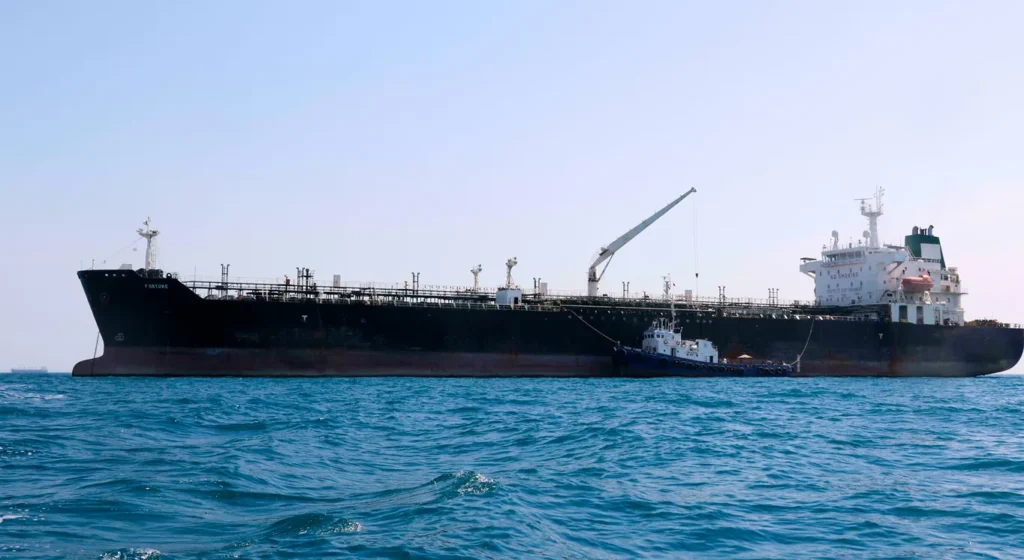
The energy market is highly susceptible to any developments happening around the Strait of Hormuz owing to the significance of the strait in international oil transport.
A decrease in shipments might result in an increase in crude prices. The increase in the price of oil might have implications on transport, manufacturing, power production, and other industries reliant on energy.
The price of fuel might increase, adding costs for consumers and making things difficult for those industries reliant on transportation.
Higher Energy Costs Can Affect Inflation
An extended period of high energy prices can cause economic repercussions in addition to affecting the oil sector.
The cost of transportation can be affected when fuel prices rise. These costs can eventually translate into the price of goods and services.
High energy prices can thus lead to inflationary pressure, especially if the disruption persists for an extended time.
This economic impact is among the reasons why governments and the financial markets are watching the situation around the waterway.
The U.S. Is Combining Military and Economic Pressure
The strategy employed by Washington towards Tehran is not limited to military operations alone. In addition, the United States has increased the economic pressure through sanctions and attempts to deny Iran access to international financial networks.
There has been talk from U.S. officials about other actions that could be taken against countries and firms continuing their dealings with Iran.
This dual pressure of military and economic action is designed to reduce Tehran’s capacity to fund its threatening activities.
Nevertheless, the economic pressure could also result in uncertainty for businesses operating in countries that deal commercially with Iran.
Iran Signals That It Will Resist Pressure
The leaders of Iran have always made it clear that Iran is not willing to just put up with additional pressure.
President Masoud Pezeshkian said that although Iran was not looking for war, they were not going to tolerate any aggression. The Iranian leaders have also refuted the U.S. claims concerning the Strait of Hormuz and the transportation of oil through the strait.
The conflicting declarations show that neither side seems to be willing to change their position in any way.
Regional Countries Face Difficult Choices
These countries find themselves in a tricky situation amid the growing tensions.
Some of these countries have close military and economic ties with the U.S., while at the same time having geographical, political, or economic links with Iran. Countries housing U.S. military bases may find themselves in the line of fire when tensions run high.
However, the regional governments have good reasons to maintain the openness of trade routes and avoid a full-blown war.
Global Businesses Are Watching Closely
Instability in the area of the Strait of Hormuz does not affect only governments and energy corporations.
Manufacturers, freight carriers, airlines, logistics operators, retailers, and many other businesses may face increased energy costs or problems with global transport.
Businesses will need to reconsider supply chain management, change shipping routes, build up inventories, or prepare for higher costs of operations.
For businesses highly reliant on international trade, the very uncertainty can prove to be a cost factor.
Diplomatic Efforts Could Become Increasingly Important
The military actions have taken place in parallel with diplomatic negotiations with Iran and other key players.
The participation of Iran in the Shanghai Cooperation Organisation Summit can provide a chance to hold talks with other states like Russia and China. The diplomatic relations can become increasingly important if the USA and Iran find ways to stop the last escalation from turning into a bigger regional conflict.
The decrease of tensions in the Strait of Hormuz will be especially important for the world markets since the energy transportation should remain stable.
What Comes Next for Energy Markets?
It would all depend on whether the conflict remains localized or turns into a disruption in the future.
In case there are no major disruptions in the shipment of oil and other fuels via the Strait of Hormuz, things may normalize in the long run. In case of a protracted military conflict, there would be increased fears about energy supplies, thus pushing up prices.
As far as businesses and consumers are concerned, the major uncertainty is not so much about the latest military conflict as about the future.
Conclusion
The resurgence of the U.S.-Iran conflict has again put the focus on the Strait of Hormuz. Since the strait is vital for the transport of energy around the world, any kind of military activity going on there can affect prices for oil, fuel, inflation, shipping, etc.
While the current scenario is uncertain, the impact of this conflict reaches beyond the states which are part of it. Any diplomatic moves and security for the shipping lines are key factors for how far this new conflict may spread out.
FAQs
The Strait of Hormuz is a major international route for energy shipments. Disruptions to traffic through the waterway can affect oil supplies, energy prices, transportation costs, and wider economic activity.
If military tensions disrupt oil production or shipping through the Strait of Hormuz, concerns about supply could push crude oil prices higher. Increased energy costs can eventually affect gasoline, transportation, and other consumer prices.
Yes. Higher energy prices, shipping disruptions, supply-chain uncertainty, and increased transportation costs can affect companies worldwide, particularly businesses that rely on international trade or energy-intensive operations.