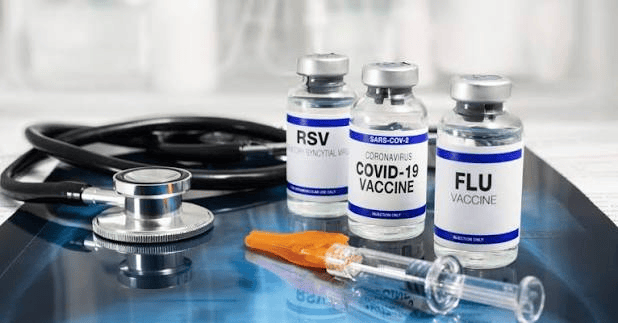
As the 2026–2027 respiratory virus season approaches, families and healthcare providers are preparing for the return of influenza, COVID-19 and respiratory syncytial virus (RSV). While federal guidance for some vaccines has not yet been updated, several major medical organizations have published recommendations for different groups.
The guidance covers children, adults, pregnant people and individuals with weakened immune systems. Although recommendations differ depending on age and health status, the medical organizations continue to support seasonal influenza vaccination for everyone aged 6 months and older.
Understanding the current recommendations can help families discuss vaccination timing and eligibility with their healthcare providers.
Why Are Medical Groups Issuing Vaccine Recommendations?
The Centers for Disease Control and Prevention (CDC) has not released new COVID-19 or RSV recommendations for the 2026–2027 season. Its current influenza guidance continues to reference recommendations from the previous season while further updates are pending.
In response, four major medical organizations released recommendations covering specific populations:
- The American Academy of Pediatrics (AAP) issued guidance for children.
- The American Academy of Family Physicians (AAFP) provided recommendations for adults.
- The American College of Obstetricians and Gynecologists (ACOG) addressed vaccination during pregnancy.
- The Infectious Diseases Society of America (IDSA) provided guidance for people who are immunocompromised.
A review of recent research conducted by the American Medical Association and the Vaccine Integrity Project also examined the evidence surrounding influenza, COVID-19 and RSV vaccines.
The review found that these vaccines continue to provide protection against severe disease, hospitalization and death and did not identify new major safety concerns.
What Are the 2026–2027 Flu Vaccine Recommendations?
The medical organizations recommend seasonal influenza vaccination for everyone aged 6 months and older.
Children who are receiving the flu vaccine for the first time or who have an incomplete vaccination history may need two doses, typically given about a month apart.
Adults aged 65 and older are generally encouraged to receive an enhanced influenza vaccine when available. Options can include high-dose, adjuvanted or recombinant vaccines. However, older adults should not necessarily delay vaccination while waiting for a specific formulation.
Healthcare professionals can help determine which influenza vaccine is appropriate based on age, health history and previous vaccination.
What Is the Current Guidance for COVID-19 Vaccination?
COVID-19 vaccination recommendations vary more significantly according to age and individual risk.
The current recommendations from the medical groups include COVID-19 vaccination for adults and certain younger age groups. They also support vaccination for people who are pregnant, planning a pregnancy or breastfeeding, while recommendations for children can depend on age and their risk of severe illness.
Adults aged 65 and older are advised to receive two doses during the season, with the second dose generally administered six months after the first.
Children between 6 and 23 months are also included in the recommendations. Vaccination may additionally be considered for children and teenagers between 2 and 18 who have a higher risk of severe COVID-19 or whose parents want them protected.
Updated COVID-19 vaccines were approved for the 2026–2027 season and were reformulated to target variants circulating during the current period.
Because recommendations can vary based on individual circumstances, people should discuss timing and eligibility with a healthcare professional.
What Should People Know About RSV Protection?
RSV can cause mild respiratory symptoms in many people, but it can become more serious in infants, older adults and individuals with certain health conditions.
Current recommendations include one RSV dose for adults aged 75 and older. Adults between 50 and 74 may also be eligible if they have conditions or other factors that increase their risk of severe RSV disease.
Pregnant people are also included in RSV prevention recommendations. Vaccination during pregnancy can help provide protection to the baby during the first months after birth.
For infants whose mothers did not receive an RSV vaccine during pregnancy, preventive antibody treatment may provide protection during the baby’s first RSV season.
Some children up to 19 months with certain health conditions may also qualify for RSV preventive antibodies.
When Is the Best Time to Get a Flu Shot?
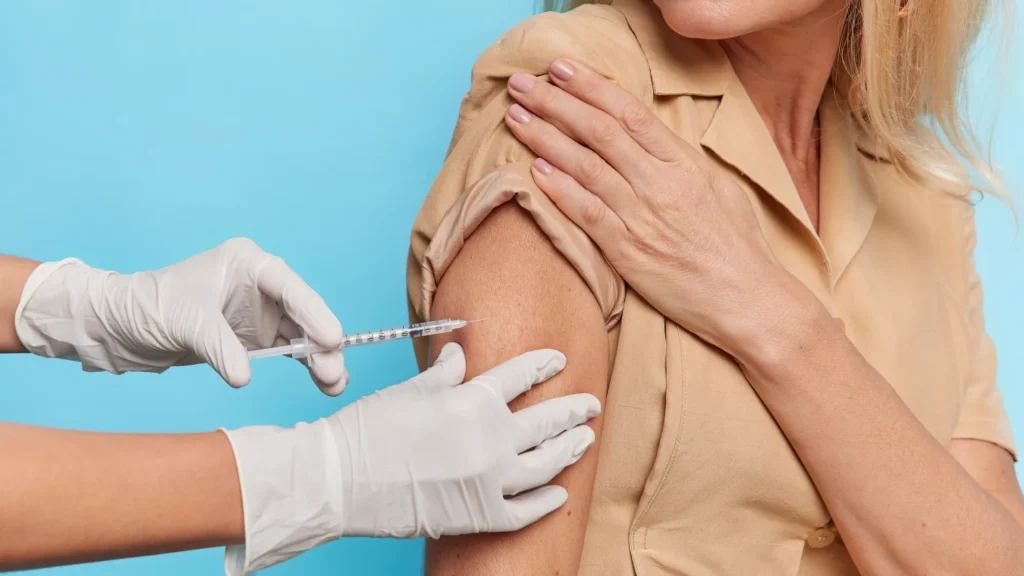
Influenza activity generally increases during the fall and winter months, although the timing can vary from year to year.
Healthcare professionals commonly recommend that children receive their seasonal flu vaccine around September or October. However, vaccination can still provide benefits later in the respiratory virus season for people who have not yet received their shot.
Getting vaccinated before influenza activity increases can help provide protection when viruses begin circulating more widely.
People should also remember that protection does not necessarily mean complete prevention of infection. Vaccination can reduce the risk of severe illness and complications, making it particularly important for people who are more vulnerable to respiratory infections.
Why Are the Recommendations Different for Different People?
Respiratory viruses do not affect everyone in the same way. Age, pregnancy, immune status and underlying medical conditions can all influence the risk of complications.
For example, infants are particularly vulnerable to serious RSV illness, while older adults face increased risks from influenza, COVID-19 and RSV.
People with weakened immune systems may also require different vaccination schedules or additional preventive measures.
This is why seasonal vaccine recommendations are not always identical for every person. A healthcare professional can review an individual’s medical history and determine which vaccines are appropriate.
Why Has There Been Confusion Around Federal Vaccine Guidance?
The CDC and its Advisory Committee on Immunization Practices (ACIP) have historically played a major role in developing vaccine recommendations in the United States.
Changes involving ACIP and its membership have contributed to uncertainty surrounding some federal recommendations for the current respiratory virus season.
As a result, professional medical organizations have released their own evidence-based recommendations for specific patient populations.
For families, this can make vaccine decisions more confusing, particularly when recommendations from different organizations appear to change or differ.
Healthcare professionals can help interpret these recommendations and explain how they apply to individual patients.
How Should Families Prepare for Respiratory Virus Season?
Families can start by reviewing their vaccination history and discussing upcoming seasonal vaccines with their healthcare provider.
Parents may want to ask:
- Which vaccines does my child need this season?
- Does my child need one or two flu vaccine doses?
- Is my child at increased risk from COVID-19 or RSV?
- When should vaccination take place?
- Does a pregnancy or medical condition change the recommended schedule?
Adults should also review their vaccination status, particularly if they are older, pregnant, immunocompromised or have medical conditions that increase the risk of severe respiratory illness.
Pharmacies, doctors’ offices and other healthcare facilities may offer seasonal vaccines, although availability can vary by location.
Conclusion
The 2026–2027 respiratory virus season is approaching with updated vaccines and recommendations from several major medical organizations. While federal guidance for COVID-19 and RSV has not been fully updated, professional groups continue to recommend vaccination based on age, health status and individual risk.
Influenza vaccination remains broadly recommended for people aged 6 months and older, while COVID-19 and RSV recommendations are more dependent on age and risk factors.
Because recommendations can change and individual circumstances differ, speaking with a healthcare professional is the best way to determine which vaccines are appropriate and when they should be received. Staying up to date with recommended vaccinations can be an important part of preparing for the fall and winter respiratory virus season.
FAQs
Recommendations depend on a child’s age and individual risk. Children between 6 and 23 months are included in current recommendations, while vaccination may also be recommended or considered for older children and teenagers who have a higher risk of severe illness.
Adults aged 75 and older are recommended to receive an RSV vaccine, while adults aged 50 to 74 may qualify if they have an increased risk of severe disease. RSV vaccination during pregnancy can also help protect newborns.
Yes. Infants whose mothers did not receive an RSV vaccine during pregnancy may receive a preventive antibody injection. Certain children with medical conditions may also qualify for additional RSV protection.