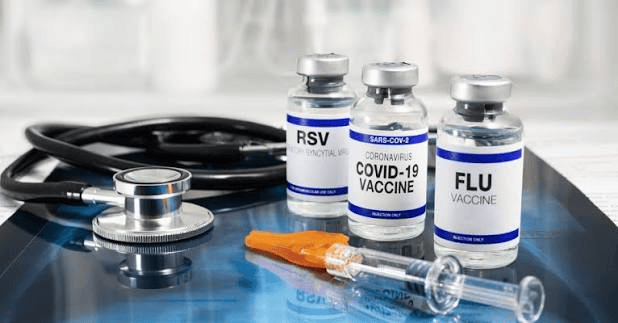
As the respiratory virus season for 2026-2027 is just around the corner, patients and healthcare professionals are gearing up for the reappearance of the flu, COVID-19, and RSV. However, while federal guidance regarding the vaccinations is not updated, a number of influential medical bodies have released guidelines for specific categories.
The recommendations target the population ranging from children to adults and including individuals with compromised immune system and expectant mothers. Despite the differences in the recommendations depending on one’s age and medical condition, the medical bodies still advise vaccinating all individuals aged six months and older against the seasonal flu.
In order to understand how to act, parents may consult the recommendations below.
Why Are Medical Groups Issuing Vaccine Recommendations?
However, no new guidelines on COVID-19 and RSV have been issued by the Centers for Disease Control and Prevention (CDC) for the 2026-2027 season. The CDC’s existing influenza guidelines still rely on recommendations from the previous season pending any new updates.
In response, four major medical associations made recommendations for the following groups:
- The American Academy of Pediatrics (AAP) gave recommendations for children.
- The American Academy of Family Physicians (AAFP) made recommendations for adults.
- The American College of Obstetricians and Gynecologists (ACOG) made recommendations for pregnant women.
- The Infectious Diseases Society of America (IDSA) made recommendations for immunocompromised individuals.
An assessment of recent research studies done by the American Medical Association and the Vaccine Integrity Project has considered the scientific literature on influenza, COVID-19 and RSV vaccines as well.
The assessment concluded that these vaccines remain effective in preventing severe illness, hospitalization and death.
What Are the 2026–2027 Flu Vaccine Recommendations?
According to the professional associations, influenza immunization for all people aged 6 months and above is highly recommended.
For children getting their first dose of influenza vaccine or those with an incomplete immunization record, it is possible that two doses are required, usually administered a month apart.
Influenza vaccines for individuals aged 65 years and above should normally be a high-strength form. Possible types include high-dose, adjuvanted or recombinant vaccines. Nevertheless, there is no need for elderly patients to wait before they get a particular influenza vaccine.
Healthcare providers can advise on which vaccine type should be used in each case.
What Is the Current Guidance for COVID-19 Vaccination?
Recommendations for COVID-19 vaccinations differ greatly depending on age and risk of an individual.
According to the recommendations provided by the medical organizations, adults as well as certain age groups should get vaccinated against COVID-19; vaccination is also recommended for women who are currently pregnant or intend to be pregnant in the future, while the recommendations for children may vary with age and risk of developing a severe disease.
Adults aged 65 years old or older are to be vaccinated twice per the season when the second dose is to be administered six months after the first dose.
Children aged 6 to 23 months are also included in the vaccination recommendations; vaccination may also be performed for children and teenagers aged 2 to 18 years old who have increased risk of severe COVID-19 or whose parents want their children to get vaccinated.
The new COVID-19 vaccines have been recently approved for the 2026-2027 season; the vaccines have been reformulated for the currently prevalent variants.
Because recommendations can vary based on individual circumstances, people should discuss timing and eligibility with a healthcare professional.
What Should People Know About RSV Protection?
RSV can cause mild respiratory symptoms in many people, but it can become more serious in infants, older adults, and people with specific health conditions.
Currently, there is one RSV shot recommended for adults who are 75 years old and above. People who are between 50 to 74 years old may be eligible for the shot if they have health conditions that make them vulnerable to serious RSV infection.
Pregnant women are also included in the recommendation for RSV prevention. Being vaccinated during pregnancy will ensure that the infant will be protected during the first few months of life.
Infants whose mothers were not vaccinated during pregnancy may benefit from preventive RSV antibody treatment during their first RSV season.
Some children up to 19 months with health conditions may also be eligible for RSV preventive antibodies.
When Is the Best Time to Get a Flu Shot?
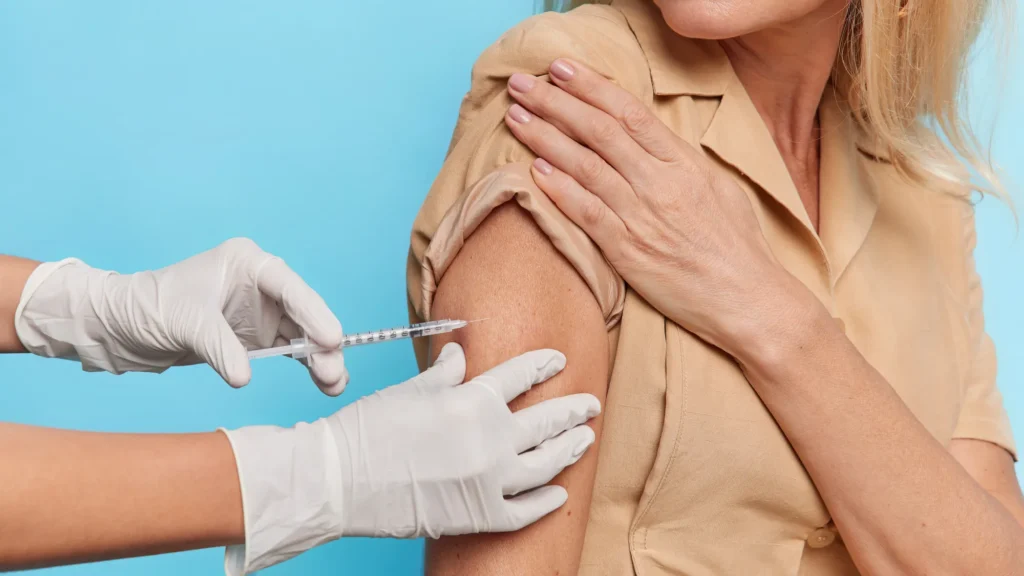
Influenza activity usually peaks in the fall and winter seasons, although this may differ from year to year.
It is common practice among healthcare providers to advise children to get their seasonal flu vaccine during September and October. Nonetheless, the flu shot will continue to be effective even late into the respiratory virus season for individuals who have not yet had theirs.
Receiving the flu shot before an increase in influenza activity will offer protection once the viruses start circulating in higher numbers.
It is important to keep in mind that getting the flu shot does not guarantee that one cannot contract the disease.
Why Are the Recommendations Different for Different People?
Not everyone is affected by respiratory viruses the same way. The factors like age, pregnancy, immune system condition, and presence of other illnesses will affect the risk of complications.
Thus, infants are prone to having severe RSV disease, while older patients have higher risks of getting ill from flu, COVID-19, and RSV.
Individuals with impaired immunity might need special vaccination protocols as well.
That is why seasonal vaccine suggestions are not the same for all individuals. A healthcare provider will analyze patient’s health history and choose proper vaccines.
Why Has There Been Confusion Around Federal Vaccine Guidance?
The Centers for Disease Control (CDC) and its Advisory Committee on Immunization Practices (ACIP) have been key in forming recommendations for vaccines in the United States.
Changes that are associated with ACIP and its members have contributed to confusion in some federal recommendations for the current respiratory virus season.
This has led to professional medical organizations coming up with evidence-based recommendations for certain groups of patients.
This makes vaccination confusing for families because some of the recommendations from different bodies change.
Healthcare professionals can help explain the recommendations to patients.
How Should Families Prepare for Respiratory Virus Season?
The family can begin by checking their vaccination status and talking to their doctor about the seasonal vaccines.
Parents might consider asking the following questions:
- What vaccines does my child require this season?
- Does my child require one or two flu vaccine doses?
- Is my child at higher risk for contracting COVID-19 or RSV?
- When is the appropriate time for vaccinations?
- How do a pregnancy or a health condition affect the vaccination schedule?
Adults need to check on whether they are up-to-date with their vaccinations, especially if they are older, pregnant, immunocompromised, or suffer from certain medical problems that raise the risk of getting respiratory infections.
Seasonal vaccines may be available at pharmacies, doctor’s offices, or other health care institutions.
Conclusion
The coming 2026–2027 respiratory virus season will come with updated vaccines and guidelines issued by several professional medical bodies. Although there has been no update on the guidelines for the administration of the COVID-19 and RSV vaccines by the federal government, professional bodies still suggest vaccination depending on the age and risk of the individuals.
Influenza vaccination is generally recommended for those aged six months and above, while the COVID-19 and RSV vaccines are more age-dependent and risk-related.
Since recommendations and situations may vary, consulting a medical practitioner is the surest way of knowing the right vaccines and when to take them. Getting the right vaccinations may be an important aspect of preparing for the respiratory virus season.
FAQs
Recommendations depend on a child’s age and individual risk. Children between 6 and 23 months are included in current recommendations, while vaccination may also be recommended or considered for older children and teenagers who have a higher risk of severe illness.
Adults aged 75 and older are recommended to receive an RSV vaccine, while adults aged 50 to 74 may qualify if they have an increased risk of severe disease. RSV vaccination during pregnancy can also help protect newborns.
Yes. Infants whose mothers did not receive an RSV vaccine during pregnancy may receive a preventive antibody injection. Certain children with medical conditions may also qualify for additional RSV protection.