
Health care providers need a good and steady chain of supply in order to provide their patients with high-quality services, to meet safety requirements and to ensure smooth functioning. The supplies required by hospitals form a considerable part of health care expenses. In view of the growing demands of hospitals’ functioning, knowledge of different types of supplies, costs affecting prices and purchasing processes has become important for health care providers.
In 2025–2026, health care institutions are increasingly focusing on supply and procurement issues.
Understanding Hospital Supply Expenses
Suppliers’ costs in a hospital include thousands of supplies utilized in the various departments of a hospital such as emergency rooms, operating rooms, patient-care units, laboratories, and outpatient clinics. As opposed to typical business procurement practices, health care supplies should comply with stringent quality and safety standards.
The prices will differ according to a number of factors including product specifications, supplier arrangements, quantity of orders, and market situation among others. The large health care organizations usually employ contract and bulk procurement, while small hospitals may emphasize on supplier partnerships.
Key Categories Driving Hospital Supply Spending
Medical Consumables and Daily Care Supplies
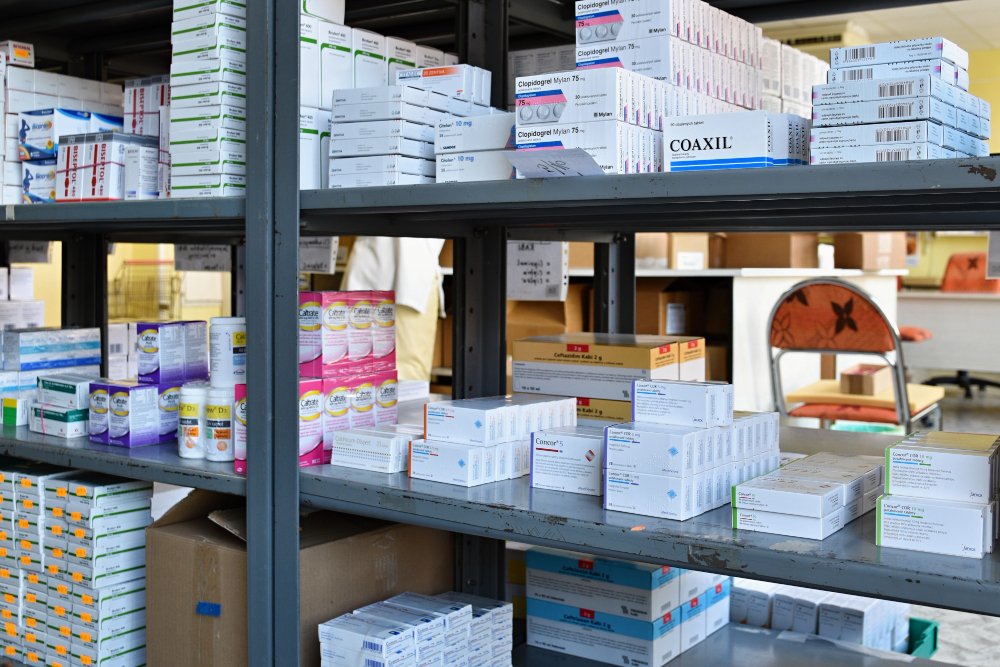
Some of the medical products which are the most often purchased by the hospital include medical consumables, because of their constant usage. Such items as gloves, protective clothing, syringes, exam supplies, and patient supplies need constant supply.
Since there are a lot of such products that are being used constantly, it is necessary for the healthcare facility to concentrate on their efficient purchasing and supply.
Surgical Instruments and Procedure Supplies
Surgical supplies comprise one of the most specialized categories of healthcare sourcing. Hospitals need instruments and procedure kits as well as ancillary supplies that comply with rigorous criteria concerning performance and safety.
Choosing surgical suppliers, healthcare facilities usually focus on product quality, durability, sterilization capabilities, delivery times, and standards compliance. Higher quality surgical supplies may be more expensive initially, but will provide good value for money in terms of reliability and performance.
Infection Prevention and Safety Products
Infection control is still one of the key challenges faced by hospital and health care facilities. Medical products such as gowns, safety barriers, disinfectants, and others help health care providers and ensure the existence of a safe place to carry out treatment procedures.
The availability of these products is particularly important because they are used in different sections. Most companies collaborate with a number of vendors in order to prevent any shortage.
Respiratory Equipment and Patient Care Technology
Respiratory devices are important for use in assisting patients who have specific needs. Equipment in this line includes everything from respiratory supplies to sophisticated devices used in intensive care units.
The prices are determined by elements like technology, functions, cost of maintenance, and applications among others. Hospitals usually take into account the cost and performance of the equipment during decision-making processes.
Specialty Healthcare and Outpatient Supplies
Health care is becoming more diverse in that health care services are becoming more than just hospitals. Specialty supplies like dental supplies, home health care supplies, and outpatient care supplies have been growing because many patients get treated outside the hospitals.
In such a case, health care organizations have had to adjust their supply chain management strategies accordingly.
Hospital Supply Cost Reference
The below figures are indicative of some of the usual hospital supply classifications. Pricing will, of course, differ depending upon the terms of the supplier’s agreement, specifications of the products, quantity purchased, etc.
| Supply Category | Estimated Cost Range | Pricing Considerations |
|---|---|---|
| Surgical Instruments (per set) | $50 – $500+ | Cost varies based on complexity, materials, and specialization |
| Wound Care Supplies (per unit) | $1 – $75 | Advanced treatment products typically have higher costs |
| Respiratory Equipment (per unit) | $600 – $2,500+ | Technology features and equipment type influence pricing |
| Medical Gowns and Apparel (per unit) | $1.50 – $6 | Material quality and protection level affect cost |
| Dental Supplies (per unit/kit) | $5 – $150 | Pricing depends on procedure requirements |
| Infection Control Supplies (per case) | $20 – $150 | Quantity, product type, and safety standards impact pricing |
Strategies for Managing Hospital Supply Costs
More and more healthcare facilities are implementing better procurement methods to enhance effectiveness and reduce costs. Methods often implemented include:
- Utilizing inventory software to track supply quantities
- Developing ties with several dependable suppliers
- Reevaluating contracts
- Eliminating wastage of supplies not needed
- Using standard supplies more often
- Improving forecasts of supply requirements
These methods assist providers in ensuring that supplies remain available and improving financial management.
Future Trends in Healthcare Supply Management
There will be an increased transformation in the healthcare supply chain by making use of technological advancements and better forecasts, as well as transparency in procurement processes. There is a need to incorporate digital inventory systems, forecasting, and better supplier relations in order to manage costs within the healthcare industry.
For the hospitals and medical institutions, the issue of supply management is no longer limited to purchasing alone. This is an important strategic function which impacts the operations and profitability of the institutions and patient care delivery.
With knowledge of the cost of supplies and proper procurement practices, the health institutions are able to develop robust supply chains in the future.