
Healthcare providers depend on a reliable supply network to deliver quality patient care, maintain safety standards, and support daily operations. From basic medical consumables to advanced equipment, hospital supply expenses represent a significant part of healthcare budgets. As facilities manage increasing operational demands, understanding supply categories, pricing factors, and purchasing considerations has become essential for effective cost management.
In 2025–2026, healthcare organizations are paying closer attention to procurement strategies, supplier relationships, and inventory planning to maintain access to critical products while controlling expenses.
Understanding Hospital Supply Expenses
Hospital supply costs include thousands of products used across emergency departments, operating rooms, patient care units, laboratories, and outpatient facilities. Unlike standard business purchases, healthcare supplies must meet strict quality, safety, and regulatory requirements.
Pricing can vary depending on several factors, including product specifications, supplier agreements, order volume, availability, and market conditions. Large healthcare systems often use long-term contracts and bulk purchasing strategies, while smaller facilities may focus on flexible supplier partnerships to maintain access to essential products.
Key Categories Driving Hospital Supply Spending
Medical Consumables and Daily Care Supplies
Medical consumables are among the most frequently purchased hospital supplies due to their continuous use. Products such as gloves, protective apparel, syringes, examination materials, and patient care items require regular replenishment.
Because these supplies are used in high volumes, healthcare providers often focus on purchasing efficiency, inventory management, and dependable supplier relationships to prevent shortages and unnecessary costs.
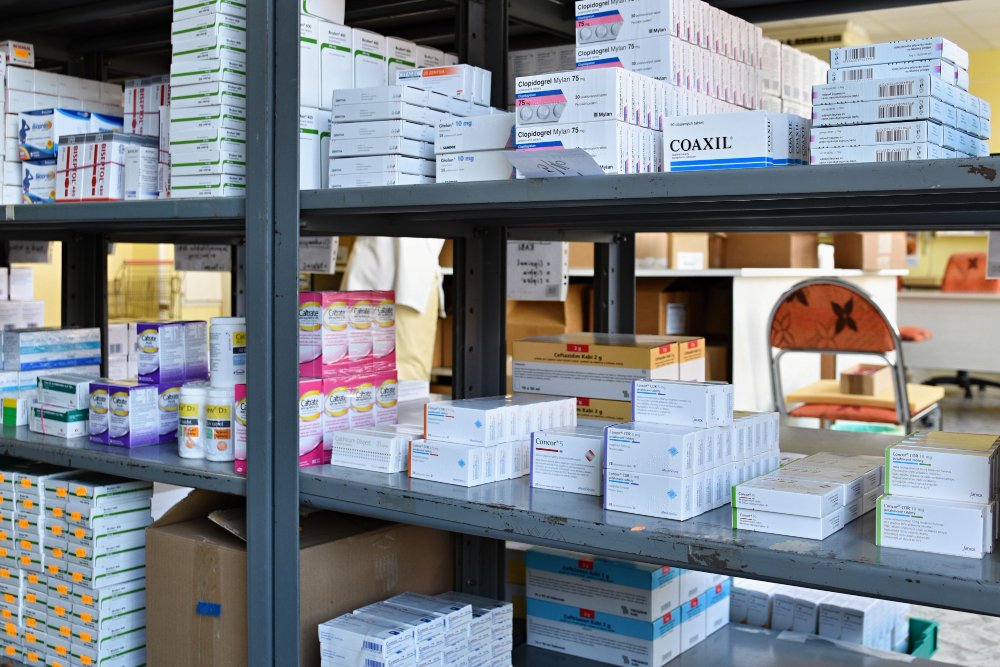
Surgical Instruments and Procedure Supplies
Surgical supplies represent one of the most specialized areas of healthcare procurement. Hospitals require reliable instruments, procedure kits, and supporting products that meet strict performance and safety requirements.
When selecting surgical suppliers, healthcare organizations typically consider product quality, durability, sterilization compatibility, delivery timelines, and compliance standards. Higher-quality surgical products may involve greater upfront costs but can provide better long-term value through reliability and performance.
Infection Prevention and Safety Products
Infection control remains a critical priority for hospitals and healthcare facilities. Products such as medical gowns, protective barriers, disinfectants, and other safety supplies support healthcare workers and help maintain safe treatment environments.
Consistent availability is especially important because these products are required across multiple departments. Many providers maintain relationships with multiple suppliers to reduce supply disruption risks.
Respiratory Equipment and Patient Care Technology
Respiratory equipment plays an important role in supporting patients who require specialized care. Products in this category range from basic respiratory supplies to advanced equipment used in critical care environments.
Pricing depends on factors such as technology, features, maintenance requirements, and intended application. Healthcare providers often evaluate both the initial investment and the long-term operational value before making purchasing decisions.
Specialty Healthcare and Outpatient Supplies
Healthcare services are increasingly expanding beyond traditional hospital settings. Specialty supplies, including dental products, home healthcare materials, and outpatient care items, continue to grow as more patients receive treatment in clinics and home environments.
This shift requires healthcare organizations to adapt their procurement strategies and ensure supplies are available across different care locations.
Hospital Supply Cost Reference
The following figures provide a general overview of common hospital supply categories. Actual pricing may vary based on supplier contracts, product specifications, purchasing volume, and market conditions.
| Supply Category | Estimated Cost Range | Pricing Considerations |
|---|---|---|
| Surgical Instruments (per set) | $50 – $500+ | Cost varies based on complexity, materials, and specialization |
| Wound Care Supplies (per unit) | $1 – $75 | Advanced treatment products typically have higher costs |
| Respiratory Equipment (per unit) | $600 – $2,500+ | Technology features and equipment type influence pricing |
| Medical Gowns and Apparel (per unit) | $1.50 – $6 | Material quality and protection level affect cost |
| Dental Supplies (per unit/kit) | $5 – $150 | Pricing depends on procedure requirements |
| Infection Control Supplies (per case) | $20 – $150 | Quantity, product type, and safety standards impact pricing |
Strategies for Managing Hospital Supply Costs
Healthcare organizations are increasingly adopting smarter procurement practices to improve efficiency and control expenses. Common strategies include:
- Using inventory management technology to monitor supply levels
- Establishing relationships with multiple reliable suppliers
- Reviewing purchasing agreements regularly
- Reducing unnecessary product waste
- Standardizing frequently used supplies
- Forecasting demand more accurately
These approaches help providers maintain supply availability while improving financial control.
Future Trends in Healthcare Supply Management
The healthcare supply chain will continue to evolve as providers invest in technology, improved forecasting, and more transparent procurement systems. Digital inventory tools, data-driven purchasing, and stronger supplier partnerships are expected to play a larger role in managing healthcare expenses.
For hospitals and medical organizations, supply management is no longer only a purchasing responsibility. It has become a strategic area that directly affects operational efficiency, financial performance, and the ability to deliver consistent patient care.
By understanding hospital supply costs and adopting effective procurement strategies, healthcare providers can build more resilient supply systems while preparing for future challenges.