
AI is assisting in business automation, decision-making process improvement, and enhancing customer experience. Yet, for all these benefits to be realized, there is more than just implementing a new technology in place. It takes a strategy, infrastructure, and goals to be set in order to implement AI successfully.
With the increased availability of AI, various businesses regardless of their size are finding ways to use AI in their processes. In such areas as customer service, marketing, finances, and supply chain management, intelligent solutions can help businesses become more efficient and grow.
It is important to understand how to implement AI solutions in order to make the most out of the investment in this technology. This article provides an overview of what is necessary in order to implement AI successfully in businesses.
Why Businesses Should Invest in Artificial Intelligence
AI provides the chance for firms to increase efficiency, cut costs, and make better decisions. Using AI in business allows companies to run better and allows the firm’s employees to engage in strategic initiatives rather than handling menial tasks.
Firms which invest in AI will see the benefit of productivity gains, quicker responses, better experiences for customers, and better business intelligence. In today’s competitive market world, using AI in business is necessary for maintaining efficiency and innovativeness.
This can be applied to firms of any size – either a startup or a major corporation.
Assessing Business Readiness for AI Implementation

Before applying AI, organizations must analyze whether they have the appropriate capabilities, data, and structural support to facilitate success.
Set Specific Business Goals
Organizations must recognize the issues that need to be solved through the use of AI. Typical goals are such as enhancing the quality of services offered to customers, lowering the level of manual operations performed, increasing the rate of production, or improving the decision-making process.
Analyze the Existing Operations
Organizations must assess their current flows and determine repetitive as well as lengthy processes, which can be automated with the aid of AI.
Check Data Trustworthiness
AI systems depend on having reliable and organized data. Thus, organizations need to make sure that their data is thorough, protected, and available.
Analyze the Technologies Used
The available software, cloud services, and business systems need to be able to integrate with AI technologies. A solid technical basis helps realize the implementation of AI more successfully and thoroughly.
Obtain Management Support
The successful introduction of AI requires the involvement of the management. Support of top management allows relating AI initiatives to business objectives and ensures that the use of AI will be widespread in the organization.
How Can Companies Successfully Implement AI Solutions?
Use Cases of AI Implementation Strategy: A guide for businesses in maximizing AI benefits and minimizing risks.
Step 1: Recognizing Use Cases
Identify processes in your business that AI can be used in.
Examples of use cases are:
- Automation of customer service processes
- Personalization in marketing
- Sales forecast
- Financial reporting
- Human Resources
- Managing inventory
Focusing on the specific aspects of business operations will enable the organization to showcase the benefits of AI before expanding its usage throughout the organization.
Step 2: Preparing Business Data
Quality data is the cornerstone of successful AI project.
Companies should:
- Structure sources of information
- Eliminate redundant data
- Enhance data quality
- Develop data governance policies
- Protect confidential information
High-quality data translates to better performance of AI and consequently more precise insights.
Step 3: Selecting Right AI Solutions
Choosing the right AI products for the companies is crucial for achieving wanted outcome.
Companies should assess AI solutions according to the following criterion:
- Business goals
- Ease of integration of the solution
- Flexibility
- Security
- Vendor support
Some companies may need to employ AI solutions and others will need the custom-made AI solutions.
Step 4: Integrate AI Into Existing Systems
Machine learning should run side by side with the present-day solutions rather than superseding them.
In this day and age, AI can be augmented with:
- CRM software
- ERP programs
- Marketing automation
- Help desk systems
- Financial management applications
As businesses employ AI effectively, they find it easy to streamline their operations.
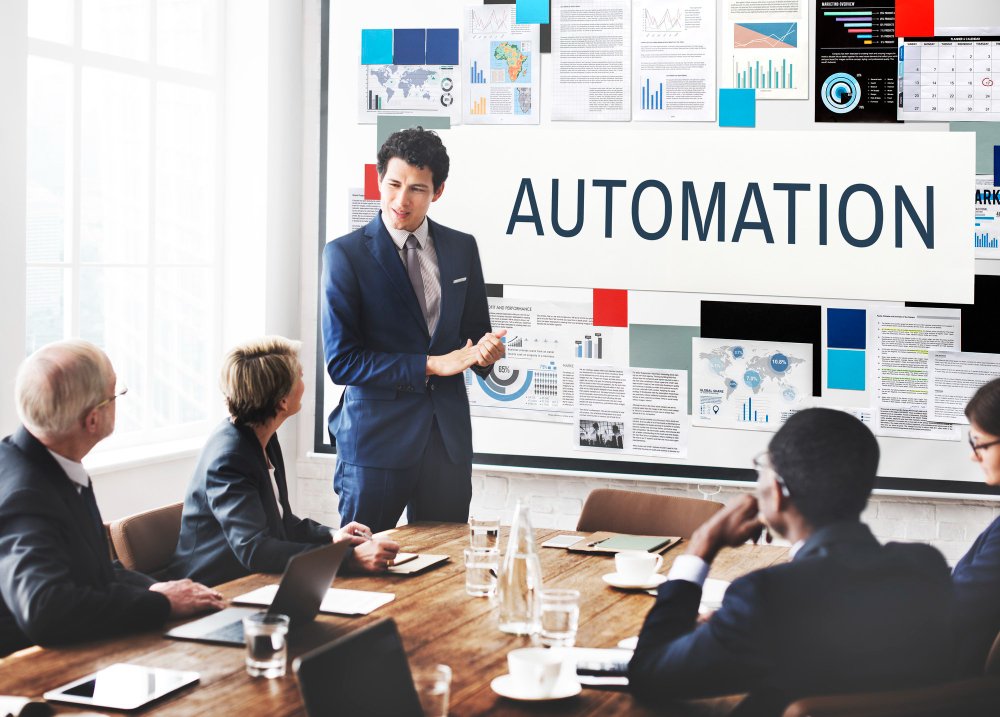
Step 5: Train Employees
The role of employees is crucial in the successful implementation of an AI system.
Businesses must ensure the existence of training programs where employees can learn about:
- What AI tools do
- How to use AI tools
- How AI tools assist in daily operations
- Importance of responsible use of AI
Effective training creates confidence among employees and makes it easier to spread the method throughout the enterprise.
Step 6: Start pilot programs
Instead of launching the entire AI system at once, companies can start with pilot programs.
Pilot projects are needed for companies to:
- Run tests of the AI system
- Get feedback from employees
- Find out the areas that need improvement
- Assess business outcomes
When properly conducted, pilot projects deliver important information that can be used in the future implementation of the AI system.
Step 7: Measure Results and Scale
Once put in place, companies need to keep a constant eye on the performance of AI.
Some critical measurements are:
- Greater productivity
- Time saved
- Costs reduced
- Satisfaction levels of customers
- Increases in revenue
- Adoption rates of employees
By doing so, businesses will be able to improve their AI systems and scale up further.
Common Challenges of AI Implementation
Although there are numerous advantages involved in using artificial intelligence (AI), the introduction of the technology will still require overcoming a number of challenges.
Low data quality
Inaccurate and inadequate data can significantly increase the chances of receiving invalid AI outcomes. Hence, data quality should be given utmost importance.
Integration hurdles
AI systems should be seamlessly integrated with corporate systems. Failure to do so will lead to slow adoption of AI system and loss of business efficiency.
Resistance of staff
If employees are not well-acquainted with the novel technology, they may oppose its use. Therefore, communication with employees will be vital.
Security and privacy risks
AI companies have to guarantee that confidentiality of both corporate secrets and customer data is maintained through good risk management.
Resource and financial barriers
Organizations should evaluate both costs and benefits of the introduction of AI technologies before making a final decision on the application of the technology.
Best Practices for AI Adoption in Business
Continuous planning and improvement are necessary for successful implementation of AI in business organizations.
Business organizations should:
Start with Impactful Initiatives
Focus on those areas within the business where the applications of AI can immediately generate results.
Make sure that AI Improves Business Goals
All the actions related to AI should be in line with the overall goals of the organization.
Assess the Effectiveness of AI
The AI systems should be regularly assessed in order to provide reliable and valuable information.
Cooperate Well
Good cooperation is required in implementing AI successfully through leadership, engineers, and others.
Implement AI Responsibly
There should be ethical standards for the implementation of AI.
Role of AI Consulting Services in Business Transformation
In many cases, companies engage AI experts to facilitate the adoption process and minimize any possible risks that may arise.
The use of AI consultancy services can help enterprises:
- Understand their AI readiness
- Prepare for the implementation process
- Choose suitable AI tools
- Combine AI with their current systems
- Improve AI efficiency
At the same time, consultants provide invaluable services ensuring that companies do not make common mistakes in their implementation process and receive a return on investment.
Future of AI Implementation for Businesses
As technology grows increasingly advanced, the future of AI implementation will unfold.
Notable trends in the upcoming years are:
- Virtual assistants powered by AI,
- Business processes that operate without human intervention
- Decision-making guided by prediction
- Business analytics powered by AI
- Collaboration between people and AI,
- Hyperautomatization taking place throughout several stages of operation in enterprises.
Companies that keep on investing in AI innovations will have a higher degree of efficiency in their commercial activities and will be able to considerably improve the customers’ experience.
Conclusion
The successful application of AI calls for more than what technology can provide. Organizations require both a clear understanding of their goals and high-quality data in addition to the commitment to train their personnel and a working implementation plan.
It is advisable to have a properly elaborated AI implementation guide if one wants to make AI work for them or increase productivity of their business and ensure sustainable development.
If one spends the money on AI technology, he will become competitive and successful in the digital economy.
Frequently Asked Questions
Companies can successfully implement AI solutions by identifying business goals, preparing quality data, selecting suitable AI tools, training employees, and continuously measuring performance to improve results.
AI implementation for businesses is the process of integrating artificial intelligence into business operations to automate tasks, improve decision-making, and increase operational efficiency.
Common challenges include poor data quality, integration with existing systems, employee resistance, security concerns, and selecting the right AI solutions for business needs.
Employee training helps teams understand how AI tools work, improves user adoption, and ensures employees can effectively use AI to support daily tasks and business objectives.