
Artificial intelligence is helping businesses automate processes, improve decision-making, and create better customer experiences. However, achieving these benefits requires more than simply adopting new technology. Organizations need a clear strategy, the right infrastructure, and well-defined goals to ensure successful AI implementation.
As AI becomes more accessible, businesses of all sizes are exploring ways to integrate intelligent solutions into their daily operations. From customer service and marketing to finance and supply chain management, AI can improve efficiency and support long-term growth when implemented effectively.
Understanding how can companies successfully implement AI solutions is essential for organizations looking to maximize their investment. This guide explains the key steps involved in AI implementation for businesses, common challenges to avoid, and best practices for building a successful AI adoption strategy.
Why Businesses Should Invest in Artificial Intelligence
Artificial intelligence offers businesses the opportunity to improve efficiency, reduce operational costs, and make more informed decisions. By automating repetitive tasks and analyzing large volumes of data, AI enables organizations to operate more effectively while allowing employees to focus on strategic initiatives.
Businesses investing in artificial intelligence implementation can benefit from improved productivity, faster response times, better customer experiences, and enhanced business intelligence. As competition increases across industries, AI is becoming an important tool for maintaining efficiency and driving innovation.
Whether a company is a startup or a large enterprise, adopting AI can create long-term value by improving business processes and supporting digital transformation.
Assessing Business Readiness for AI Implementation
Before implementing AI, businesses should evaluate whether they have the necessary resources, data, and organizational support to ensure success.

Define Clear Business Objectives
Organizations should identify the problems they want AI to solve. Common objectives include improving customer service, reducing manual work, increasing productivity, or enhancing decision-making.
Evaluate Existing Processes
Businesses should review current workflows and identify repetitive or time-consuming tasks that could benefit from AI automation.
Assess Data Quality
AI systems rely on accurate and organized data. Companies should ensure that their data is complete, secure, and accessible before implementing AI solutions.
Review Technology Infrastructure
Existing software, cloud platforms, and business systems should be capable of integrating with AI technologies. A strong technology foundation makes implementation smoother and more effective.
Secure Leadership Support
Successful AI adoption requires commitment from business leaders. Executive support helps align AI initiatives with business goals and encourages organization-wide adoption.
How Can Companies Successfully Implement AI Solutions?
A structured implementation strategy helps businesses reduce risks and maximize the benefits of AI.
Step 1: Identify High-Impact Use Cases
Start by selecting business areas where AI can deliver measurable improvements.
Common use cases include:
- Customer service automation
- Marketing personalization
- Sales forecasting
- Financial reporting
- Human resources
- Inventory management
Beginning with a focused project allows businesses to demonstrate value before expanding AI across the organization.
Step 2: Prepare Business Data
High-quality data is the foundation of successful AI implementation.
Businesses should:
- Organize data sources
- Remove duplicate information
- Improve data accuracy
- Establish data governance policies
- Protect sensitive information
Reliable data improves AI performance and generates more accurate insights.
Step 3: Choose the Right AI Solutions
Selecting appropriate artificial intelligence solutions for businesses is critical for achieving desired outcomes.
Organizations should evaluate solutions based on:
- Business objectives
- Ease of integration
- Scalability
- Security features
- Vendor support
Some businesses may choose ready-made AI platforms, while others may require customized enterprise AI solutions based on their operational needs.
Step 4: Integrate AI Into Existing Systems
AI should complement existing business applications rather than replace them entirely.
Organizations can integrate AI with:
- Customer relationship management (CRM) systems
- Enterprise resource planning (ERP) software
- Marketing automation platforms
- Customer support systems
- Financial management software
Effective AI integration for businesses ensures smooth workflows and improves collaboration across departments.
Step 5: Train Employees
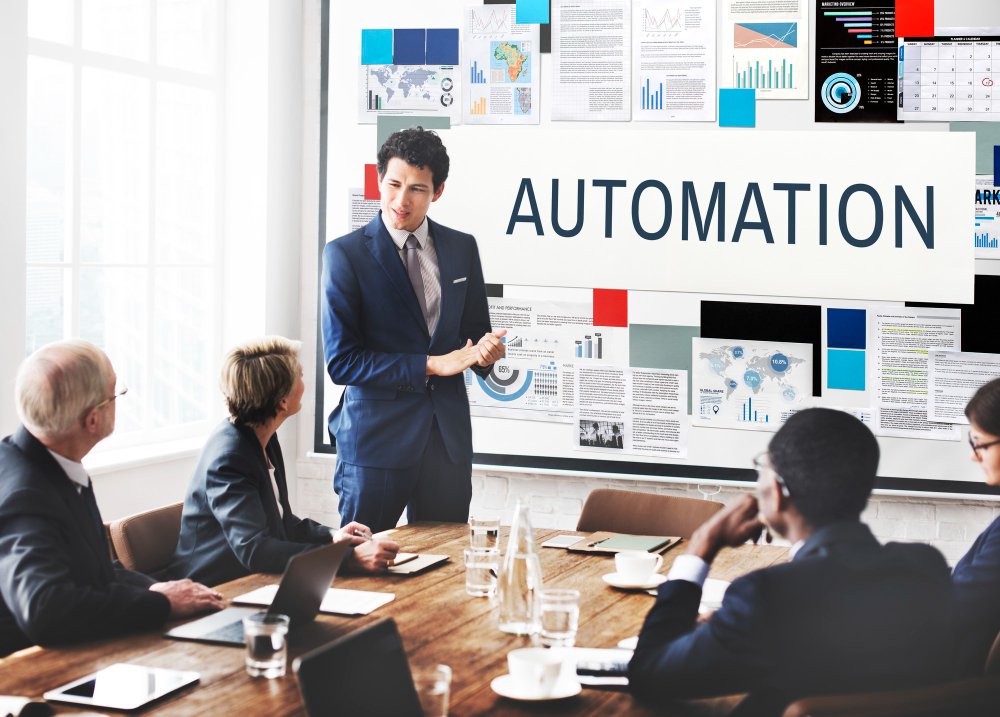
Employees play a vital role in the success of AI implementation.
Businesses should provide training that helps teams understand:
- How AI tools work
- Best practices for using AI
- How AI supports daily responsibilities
- Responsible AI usage
Proper training encourages employee confidence and increases adoption throughout the organization.
Step 6: Launch Pilot Projects
Instead of implementing AI across the entire organization immediately, businesses should begin with smaller pilot projects.
Pilot programs help organizations:
- Test AI performance
- Gather employee feedback
- Identify improvement opportunities
- Measure business impact
Successful pilot projects provide valuable insights before expanding AI initiatives.
Step 7: Measure Results and Scale
After implementation, businesses should continuously monitor AI performance.
Important metrics include:
- Productivity improvements
- Time savings
- Operational cost reductions
- Customer satisfaction
- Revenue growth
- Employee adoption rates
Tracking results helps organizations optimize AI systems and expand successful implementations across additional departments.
Common Challenges of AI Implementation
Although AI offers significant opportunities, businesses should prepare for potential implementation challenges.
Poor Data Quality
Incomplete or inaccurate data can reduce AI performance and produce unreliable insights. Maintaining clean and organized data is essential.
Integration Issues
AI systems must work seamlessly with existing business software and operational processes. Poor integration can reduce efficiency and delay adoption.
Employee Resistance
Employees may hesitate to adopt AI if they are unfamiliar with the technology or concerned about changes to their roles. Open communication and training help build confidence.
Security and Privacy Concerns
Organizations must ensure that AI systems protect sensitive business and customer information through strong security and compliance practices.
Budget and Resource Constraints
Businesses should carefully evaluate implementation costs, expected benefits, and long-term return on investment before adopting AI technologies.
Best Practices for AI Adoption in Business
Successful AI adoption in business requires ongoing planning and continuous improvement.
Businesses should:
Start With High-Value Projects
Focus on business areas where AI can deliver measurable improvements quickly.
Align AI With Business Goals
Every AI initiative should support broader organizational objectives and long-term strategies.
Monitor AI Performance
Regularly evaluate AI systems to ensure they continue delivering accurate insights and operational value.
Encourage Collaboration
Successful AI implementation involves collaboration between leadership, technical teams, and employees across departments.
Promote Responsible AI Usage
Organizations should establish ethical guidelines for transparency, fairness, and data privacy when using AI technologies.
Role of AI Consulting Services in Business Transformation
Many organizations work with AI specialists to simplify the implementation process and reduce risks.
Professional AI consulting services can help businesses:
- Assess AI readiness
- Develop implementation strategies
- Select appropriate AI technologies
- Integrate AI into existing systems
- Optimize AI performance
Consultants also provide valuable expertise that helps businesses avoid common implementation mistakes and maximize the value of AI investments.
Future of AI Implementation for Businesses
AI implementation will continue evolving as technologies become more advanced and accessible.
Future trends include:
- AI-powered virtual assistants
- Autonomous business workflows
- Predictive decision-making
- Intelligent business analytics
- Human-AI collaboration
- Hyperautomation across multiple business functions
Organizations that continue investing in AI innovation will be better positioned to improve operational efficiency, enhance customer experiences, and remain competitive.
Conclusion
Successful AI implementation requires more than adopting new technology. Businesses need clear objectives, reliable data, employee training, and a structured implementation strategy to achieve meaningful results.
By following a well-planned business AI implementation guide, organizations can integrate artificial intelligence into their operations, improve productivity, and support long-term growth. Starting with focused projects, measuring performance, and continuously optimizing AI systems allows businesses to maximize the value of their investment.
As AI continues to transform industries, companies that strategically implement artificial intelligence solutions will be better prepared to innovate, compete, and grow in the digital economy.
Frequently Asked Questions
Companies can successfully implement AI solutions by identifying business goals, preparing quality data, selecting suitable AI tools, training employees, and continuously measuring performance to improve results.
AI implementation for businesses is the process of integrating artificial intelligence into business operations to automate tasks, improve decision-making, and increase operational efficiency.
Common challenges include poor data quality, integration with existing systems, employee resistance, security concerns, and selecting the right AI solutions for business needs.
Employee training helps teams understand how AI tools work, improves user adoption, and ensures employees can effectively use AI to support daily tasks and business objectives.