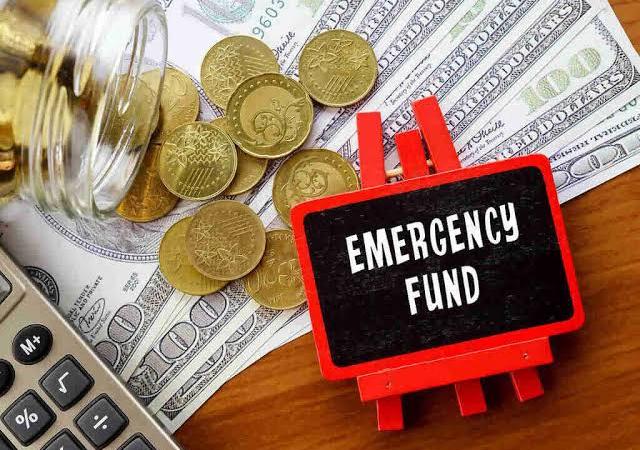
Businesses operate in an environment where unexpected financial pressures can emerge at any time. A major equipment failure, sudden decline in sales, delayed customer payments, supply disruption, or unexpected expense can quickly place pressure on cash flow.
A business emergency fund can provide a financial buffer that helps a company continue operating when circumstances do not go according to plan. By maintaining accessible reserves, businesses can reduce their dependence on emergency borrowing and improve their ability to respond to unexpected challenges.
What Is a Business Emergency Fund?
A business emergency fund is a cash reserve specifically maintained for unexpected operational or financial disruptions.
Unlike funds allocated for planned expenses or expansion projects, an emergency reserve is intended to remain available until a genuine business need arises.
Potential uses can include:
- Emergency equipment repairs
- Unexpected facility expenses
- Temporary revenue declines
- Delayed customer payments
- Urgent technology replacement
- Unplanned operational costs
- Short-term cash-flow disruptions
- Unexpected increases in essential expenses
The purpose is to protect business continuity rather than finance routine spending.
Why Is an Emergency Fund Important for Businesses?
Cash-flow problems can affect even companies with healthy revenue and strong long-term prospects. A business may have outstanding invoices or future contracts but still lack enough immediate cash to cover current obligations.
An emergency reserve can provide additional flexibility when cash inflows are delayed or expenses unexpectedly increase.
Maintaining adequate reserves may help a company:
- Continue paying essential operating expenses
- Avoid unnecessary high-cost borrowing
- Handle unexpected repairs
- Maintain business operations during temporary disruptions
- Protect important growth initiatives
- Respond more quickly to emerging opportunities
Financial resilience can be particularly important for small and growing businesses that may have fewer financing options than larger organizations.
How Much Should a Business Keep in an Emergency Fund?
There is no single reserve amount that applies to every business. The appropriate target depends on factors such as operating expenses, industry conditions, revenue consistency, debt obligations, payroll requirements, and the availability of alternative financing.
Businesses with seasonal revenue or unpredictable cash flow may require larger reserves than companies with stable recurring revenue.
Management can begin by calculating essential monthly operating costs and assessing how long the company could continue functioning if revenue temporarily declined.
Factors That Influence the Ideal Reserve
Several factors should be considered when establishing a business emergency fund.
Revenue Stability
Businesses with predictable recurring revenue may face different liquidity requirements from companies whose revenue varies significantly from month to month.
Operating Expenses
Companies with substantial payroll, rent, inventory, equipment, or supplier obligations may require larger cash reserves.
Industry Risk
Economic cycles, supply-chain issues, regulatory changes, and seasonal demand can affect the amount of liquidity a company needs.
Access to Financing
A business with reliable access to credit may have additional financial flexibility, although borrowing should not necessarily replace maintaining cash reserves.
Business Size and Growth Stage
Startups and rapidly expanding businesses may face different cash-flow requirements from established companies with predictable operations.
Where Should a Business Emergency Fund Be Kept?
Emergency reserves should generally be accessible while still being managed separately from routine operating funds.
Depending on the company’s circumstances, businesses may consider suitable business savings or cash-management accounts that provide access to funds while potentially earning interest.
When evaluating an account, businesses can consider:
- Accessibility
- Interest rates
- Account fees
- Deposit protection
- Withdrawal restrictions
- Banking services
- Business account requirements
The objective is to preserve liquidity without allowing emergency reserves to become mixed with everyday spending.
How to Build a Business Emergency Fund
Creating a substantial reserve can take time, particularly for small businesses. A structured approach can make the process more manageable.
Review Monthly Operating Costs
Identify essential expenses such as payroll, rent, utilities, insurance, technology, supplier payments, and other costs required to maintain operations.
Establish a Reserve Target
Use essential operating costs and business risk factors to determine an initial reserve target. The target can be reviewed as the company grows.
Set Regular Contributions
Businesses can allocate a portion of monthly cash flow or profits toward the emergency reserve when financial conditions allow.
Automate Transfers
Where appropriate, automatic transfers into a dedicated business savings account can make reserve building more consistent.
Allocate Unexpected Revenue Carefully
Large customer payments, unusually strong sales periods, tax refunds, or other unexpected cash inflows may provide opportunities to strengthen the reserve.
Emergency Funds and Working Capital Are Not the Same
It is important to distinguish between working capital and an emergency fund.
Working capital supports normal business operations, including routine payments, inventory, payroll, and other short-term obligations. An emergency reserve is intended for unexpected disruptions that fall outside ordinary operating requirements.
Keeping these purposes separate can make financial planning more transparent and help prevent emergency reserves from being consumed by normal business expenses.
What If a Business Needs to Use Its Emergency Fund?
Using an emergency fund does not necessarily indicate poor financial management. The purpose of the reserve is to provide support when unexpected circumstances arise.
After the immediate problem has been addressed, management should assess how much of the reserve was used and establish a plan to rebuild it.
It may also be useful to review the cause of the disruption and determine whether changes in insurance, supplier relationships, maintenance schedules, cash-flow management, or operational planning could reduce similar risks in the future.
Emergency Reserves and Business Growth
An emergency fund should not prevent a business from pursuing legitimate growth opportunities. Instead, it can provide a foundation from which growth investments can be evaluated more confidently.
Once adequate liquidity is established, excess capital may potentially be directed toward:
- New equipment
- Technology upgrades
- Marketing initiatives
- Workforce expansion
- Product development
- Geographic expansion
- Strategic acquisitions
The key is ensuring that growth investments do not leave the company without sufficient cash to manage its core obligations.
Building Long-Term Financial Resilience
A strong business financial strategy involves more than maintaining a large bank balance. Companies should monitor cash flow, manage expenses, evaluate financing options, maintain appropriate reserves, and regularly reassess financial risks.
Emergency savings are one component of this broader approach.
By planning for financial disruptions before they occur, businesses can potentially respond more effectively when unexpected challenges arise.
Conclusion
A business emergency fund can be an important component of financial resilience. Maintaining accessible reserves can help companies manage unexpected expenses, revenue disruptions, and operational challenges without immediately relying on expensive financing or sacrificing important business initiatives.
The appropriate reserve will vary by company, but establishing a clear target and contributing consistently can strengthen financial preparedness. As businesses grow, emergency reserves should be reviewed alongside cash flow, working capital, debt, and investment plans.
A disciplined approach to liquidity can help businesses protect day-to-day operations while creating a stronger foundation for sustainable growth.
Frequently Asked Questions
A business emergency fund is money set aside specifically to cover unexpected operational or financial disruptions, such as equipment failures, revenue declines, delayed payments, or urgent expenses.
There is no universal amount. Businesses should consider essential operating expenses, revenue stability, industry risks, debt obligations, and access to financing when establishing a reserve target.
Yes. Working capital is generally used to support normal day-to-day operations, while an emergency fund is reserved for unexpected disruptions and financial emergencies.
Businesses generally need to establish appropriate liquidity before committing excess cash to longer-term investments. The right balance depends on operational requirements, risk, cash flow, and growth objectives.