
Healthcare institutions utilize an assortment of medical supplies in order to provide quality health services to their clients. Whether it is surgical instruments, wound care products, respiratory equipment, or infection control products, the purchase costs will differ based on the specifications, purchase quantity, agreement with the supplier, and other conditions.
In an effort to provide more information about pricing trends, Business Wire Today has put together this guide to hospital supply costs, incorporating healthcare supply chain research and distributor pricing analysis. These figures are estimates for general market conditions and are not definitive pricing figures.
Why Hospital Supply Costs Vary
The pricing of medical supplies is determined by several other factors aside from the supplies themselves. Those hospitals that make bulk purchases through GPO agreements or even negotiated agreements will have different prices from those that purchase once or in emergencies. Factors such as quality of the product, compliance, reputation of the manufacturer, inventory, shipping needs, and quantity affect the price at which the supplies can be purchased. Specialized medical supplies and advanced technology equipment tend to be more expensive because of these factors.
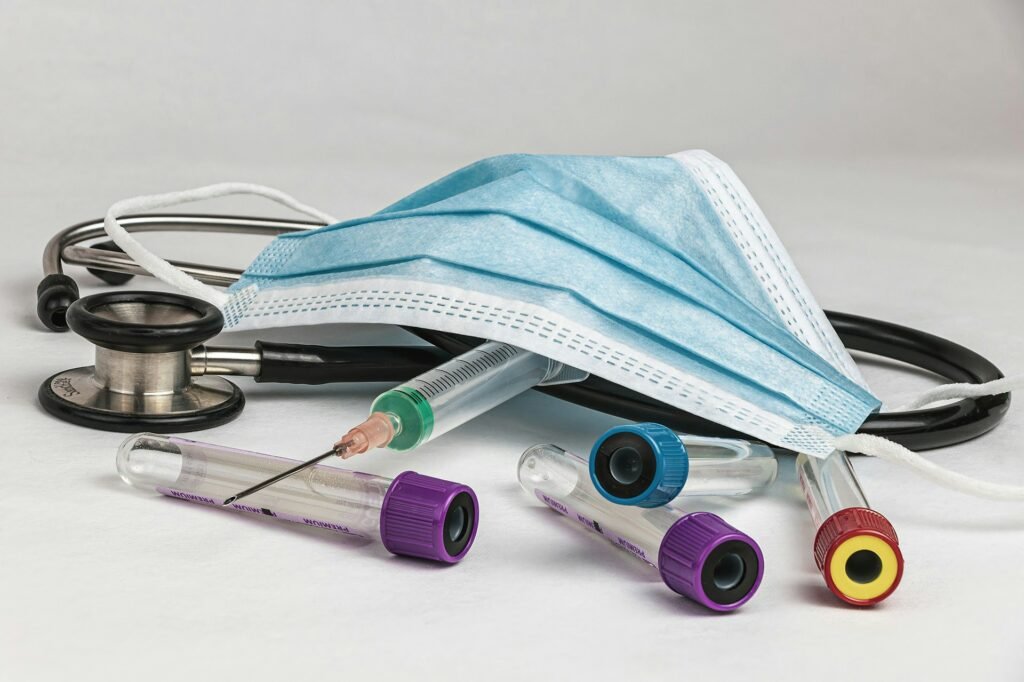
Surgical Instruments
Surgical instruments are one of the major categories in the hospital purchasing process. Surgical instruments usually cost between $50 to $500 per set depending on the number of instruments in the set and the clinical use intended for the set. The advanced endoscopic systems, electrosurgical instruments, and specialized surgical instruments usually cost more due to their precise nature of manufacture.
Wound Care Supplies
There is a high consumption of wound care products in hospitals and healthcare institutions. The cost of general wound care products varies from $1 to $75 for each product. Gauze pads and basic dressings are some of the most affordable products. Advanced therapeutic dressings, antimicrobial products, hydrocolloid dressings, and wound management systems are usually more expensive because of their superior performance.
Respiratory Equipment
Respiratory equipment is quite expensive to procure, particularly for hospitals, outpatient clinics, and long-term care homes. The basic costs are usually between $600 and $2,500. Advanced respiratory systems and portable oxygen concentrators, as well as respiratory monitors, tend to cost more due to the sophisticated nature of their engineering design and need for continuous servicing.
Medical Gowns and Protective Apparel
Medical gowns and protective apparel continue to be indispensable in protecting against infections. The price for general products may be between $1.50 and $6, based on fabric type, fluid resistance properties, reinforcement level, and medical application. Disposable isolation gowns, reinforced surgical gowns, and protective apparel differ by the environment where they are used.

Dental Supplies
Dental clinics, dental departments of hospitals, and oral surgeons require various disposable and non-disposable items. The general price is usually within the range of $5 to $150 per item or kit. The total cost will depend on the complexity of the procedure, the number of items used, the quality of the products, and the need for specialized instruments or materials.
Infection Control Supplies
Preventing infection is still a top priority for health care institutions. The price of infection control products is between $20 and $150 per case and varies based on the type and packaging of the product. This category comprises disinfectants, surface cleaners, PPE, barriers, hand hygiene products, and bundle infection prevention products.
Factors That Influence Medical Supply Pricing
There are various factors affecting the supply cost other than the list price of products in the market. Factors such as procurement contract terms, business relationship with manufacturers, order volume, availability of stocks, logistics cost, and regulatory requirement affect prices. In addition, hospitals also face price changes due to supply problems, seasonality, shortage of goods, inflation rate, cost of imports, and changing regulations. Cost of emergency procurement is more than regular procurement cost.
Hospital Supply Chain Pricing Overview
From the current studies of the healthcare supply chain, surgical instrument sets are priced at between $50 and $500 and even higher, wound care products at $1 and $75 each, respiratory products at between $600 and $2,500 each and even higher, medical gowns at between $1.50 and $6 each, dental supplies at $5 and $150 each or in kits, and infection control supplies at $20 and $150 per case.
Medical supply procurement continues to be one of the most vital elements in healthcare. By gaining knowledge about the pricing trends, healthcare facilities can set reasonable budgets for future procurement plans and evaluate suppliers’ bids in a better way. Despite the fact that there are many factors determining the prices for medical supplies, including the terms of contract, relationship with suppliers, specifications of the products, purchase volumes and market conditions, general benchmarks in pricing give organizations insights into their future procurement activities.