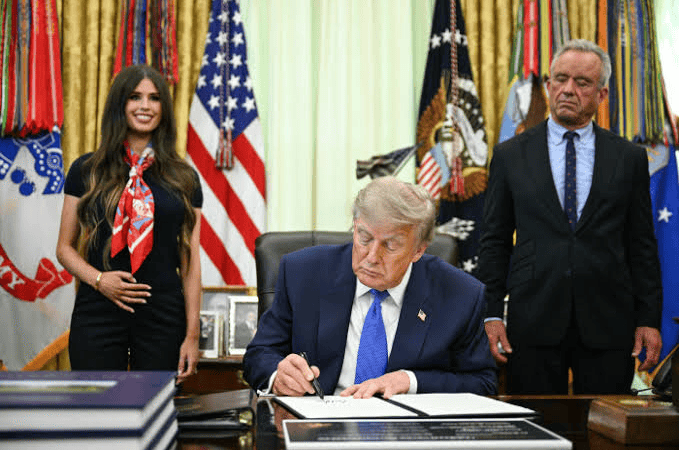
The Trump administration has given signs that possible alterations to federal childhood vaccines recommendations might be in the works, thereby posing new issues regarding classification and recommendations of vaccines in the country.
The recent request for information from the U.S. Department of Health and Human Services (HHS) is inviting the public to give their views on the categories used for federal vaccine recommendations. This follows the wider efforts by the administration to review some aspects of the country’s childhood vaccines policies.
HHS Seeks Public Input on Vaccine Categories
In the current federal system, vaccines can be recommended for the general population, for those with certain risk factors, or in a joint discussion by the patient and medical professionals.
The most recent HHS request seeks public comment on whether this system should be modified or improved upon in some way. Some of the systems that have been mentioned in the notice are vaccines recommended with limitations or vaccines recommended at certain ages but not infancy.
Although this request does not make a change in federal policy, it has gained the attention of public health officials because modifying vaccine categories might affect recommendations.
Potential Changes Could Affect Vaccine Uptake
Health professionals have raised doubts regarding the effect of the changes in the categories of recommendations on the rates of vaccinations despite availability of vaccines.
If a vaccine is switched from being recommended routinely to a more conditional or individual recommendation, it will be presented differently during doctor visits. Some health experts think that this will add to the uncertainties faced by parents and caregivers when making health-related decisions.
The advocates of evidence-based vaccination policies argue that vaccines used for immunizations among children are tested thoroughly before their approval and after being approved. Post-approval surveillance can help in detecting any rare side effects and performance of vaccines in practice.
Broader Debate Over Childhood Vaccine Policy
The call for public comments comes after previous attempts made by the Trump administration to review the vaccine program for children. The previous proposals and executive actions regarding vaccine policy have triggered much debate from different medical institutions, scholars, public policy makers, and public health activists.
It is noteworthy that both the American Academy of Pediatrics and other health institutions point out the importance of using scientific knowledge in changing vaccine programs. It should be mentioned that there is also a warning from experts that low vaccination rates will increase the risks of outbreaks caused by certain diseases that could otherwise be prevented with the help of vaccines.
On the other hand, the government makes the present procedure open to comments from different people.
What Happens Next?
The RFI issued by HHS does not indicate that there have been changes made to the childhood vaccination schedule. Rather, this is just one part of a larger process of review regarding the structure and presentation of federal vaccine recommendations.
There is a possibility that any changes that occur may require further scientific evaluation as well as public and possibly legal scrutiny. The result will depend on the comments made by the public and on how federal health officials interpret the information they receive.
Healthcare providers continue to be an essential resource when parents and guardians make decisions concerning vaccination. Those who have questions regarding the vaccine recommendations are encouraged to talk to a qualified medical professional.
Conclusion
However, the latest call for public comments in the Trump administration has brought back focus on the future recommendations related to childhood vaccinations in the U.S. Even though there have been no updates from HHS so far regarding this decision, altering the categorizations of vaccinations can prove to be significant in some ways for healthcare providers as well as parents.
During this review process, it is expected that there will be discussion on this topic based on science, safety of vaccination, availability and its public health implications. Public comment period and further decision-making process of HHS can help determine whether there will be changes in the current framework of childhood vaccination policy.
FAQs
No. The recent HHS request seeks public input on how federal vaccine recommendations are categorized. It does not itself change the current childhood vaccine schedule.
HHS is seeking feedback on whether the existing categories for federal vaccine recommendations should be modified or expanded. The review may consider factors such as evidence, individual circumstances and the broader benefits of vaccination.
Potentially. Public health experts have warned that moving vaccines into more conditional or individualized recommendation categories could influence how healthcare providers discuss vaccines and how parents make vaccination decisions.